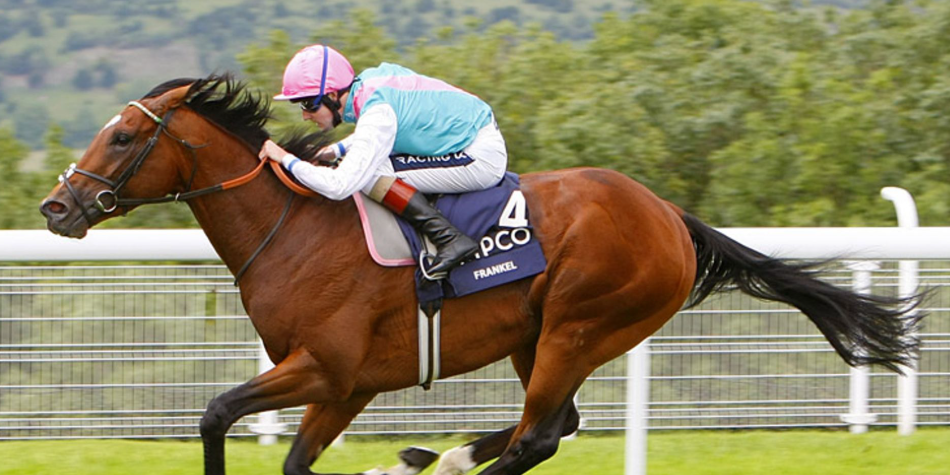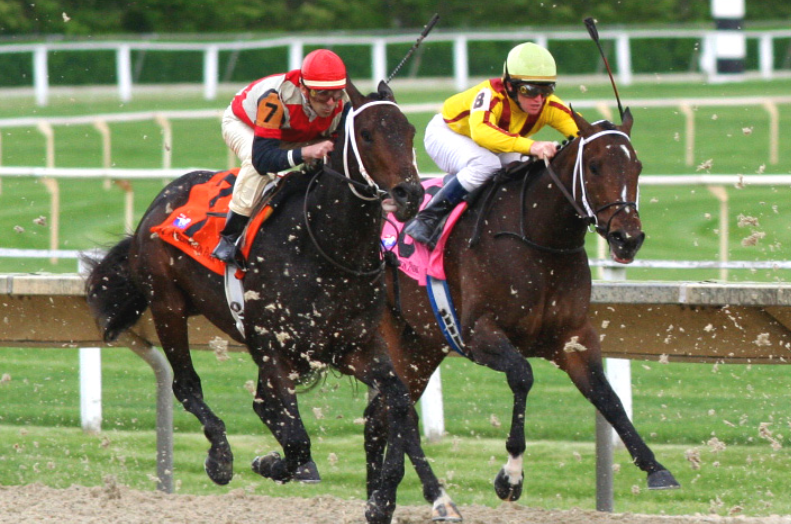
Recent genetic analyses of renowned racehorses have unveiled unexpected ancestral connections that challenge conventional breeding wisdom. These hidden lineages often contribute crucial performance traits, such as speed and stamina, previously attributed solely to established bloodlines. As genetic testing gains traction, the implications for breeding practices become increasingly significant. This raises questions about what truly constitutes a winning genetic profile and how breeders might adapt their strategies moving forward.
Uncovering Hidden Lineages: The Surprising Ancestry of Top Racehorses
Although many top racehorses are celebrated for their immediate lineage, genetic analyses have revealed that their ancestry often includes unexpected bloodlines that challenge conventional understanding of breeding practices.
Such lineage discoveries highlight the complexity of equine genetics, suggesting that successful traits may arise from lesser-known ancestors.
This revelation encourages breeders to reconsider traditional approaches and embrace a broader perspective on racehorse lineage.
See also: Fun Facts Kids Will Love About Racing
Genetic Markers and Their Impact on Performance
Recent advancements in genetic research have identified specific genetic markers that significantly influence racehorse performance.
These markers can be detected through genetic testing, revealing insights into performance traits such as speed, endurance, and agility.
The Future of Breeding: How Genetics Is Shaping Thoroughbred Racing
As genetic research continues to evolve, it is increasingly clear that the integration of genetic insights into breeding practices is transforming the landscape of Thoroughbred racing.
Genetic testing enables breeders to refine breeding strategies, enhancing performance potential by identifying advantageous traits. This scientific approach not only increases the likelihood of producing superior racehorses but also promotes genetic diversity, fostering a more resilient equine population.
Conclusion
The exploration of genetic surprises in famous racehorses underscores the intricate tapestry of equine lineage that transcends traditional breeding expectations. As breeders increasingly embrace genetic testing, one must ponder: what hidden potential lies within the uncharted ancestry of future champions? This emphasis on diverse genetic backgrounds not only enriches the understanding of performance traits but also paves the way for a new era in thoroughbred racing, where the unpredictability of lineage may unlock the secrets of greatness.